The Rise of Recreational Leagues Among Working Professionals in India

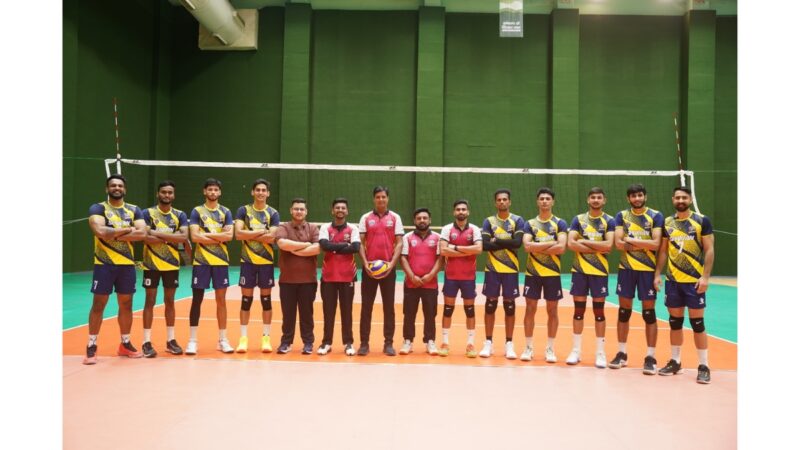
Mumbai (Maharashtra) [India], July 30: After a long day staring at a screen, jumping between video calls, and surviving a commute that feels like it eats up the whole evening, Indian professionals are finding their own way to shake off that exhaustion. More and more, you’ll catch folks hit the local turf around 7 pm—maybe in borrowed cleats—playing football with teammates whose names they barely know, but whose footwork feels like old friends after a few weekends.
This is how recreational leagues are quietly changing what evenings look like for working adults in Indian cities. It’s not some flashy movement, but you can feel it.
A New Kind of Competition
Of course, cricket has always been everywhere, with street games played on tar strips and tennis balls. But now, the amateur scene has blown up beyond just cricket. Take Bangalore’s The Amateur League. It started in 2014 as a passion project and now has full 11-a-side matches, complete with promotion and relegation—much closer to the English lower leagues than your average pick-up game. Teams built by IT folks, consultants, startup founders—they slog it out every weekend, and some of them have been at it long enough to build real rivalries.
Badminton’s taken things even further. There’s Shuttleboi’s Badiwars, designed just for corporate players and business owners. It runs like a proper league, with points and rankings across an entire season, not just a weekend tournament. Standings go up and down, and people chase qualifications for months. It’s got all the drama of a real league, except the players work in finance or product instead of chasing endorsements.
Some leagues are all about office pride. Corporate tournaments—sometimes you need your company email to join—have become regular events on the city sports calendar. Firms field teams like college departments used to, and everyone’s got something to prove.
Why Now?
So, why is this happening? Booking a turf or court is basically as easy as getting an Uber. Apps let a handful of coworkers split costs and nail down a weeknight slot without even making a phone call. Sports complexes pop up right by tech parks and office hotspots, so the gap from desk to playing field is just a short ride away—no need to block off your whole weekend.
And, honestly, gyms never really nailed the “take care of yourself” thing for most people. It’s solitary and repetitive, and gym routines get abandoned by February more often than not. But league games come with a group chat, a set kickoff, and other people counting on you to show up. That peer pressure works a lot better than sheer willpower.
Plus, remote work pretty much erased a lot of casual workplace connection—no more watercooler chats or spontaneous lunch runs. Recreational leagues fill that space. They’re a reason for adults to hang out regularly, in person, away from work. For so many who haven’t made a new friend outside work in ages, it’s actually something worth looking forward to.
Seriously, in every conversation with someone who plays, you’ll hear, “It’s the only two hours of my week where nobody asks me for a status update.”
Beyond the Usual Sports
It’s not just football and cricket anymore. You’ve got corporate tennis nights, ranked badminton circuits, even office carrom tournaments. These are happening quietly, but there’s a crowd for everything. Running clubs meet before sunrise in Mumbai and Pune, with coworkers becoming the regular crew after starting together. There’s no need for stadiums or fancy broadcast deals—just a group chat, a booked time, and people who’d rather move than scroll.
What This Means
You could chalk all this up to millennial fitness trends, but that’d be missing the point. These leagues are really about fighting a special kind of urban loneliness—the kind you only feel in a city packed with strangers. Having a team jersey and a regular match can turn people from “unknown” to “teammate,” and sometimes even into real friends.
There’s an economic angle, too. Turf owners, startups focused on sports tech, freelance referees, jersey printers, league organisers—they’re making a living in the space between “I want to play” and “I don’t know how to organise.” What started as casual Sunday football is now a small industry in some cities.
None of this is about creating the next IPL or filling stadiums, and nobody expects it to be. For most people who keep showing up, the reason’s simple: for two hours, the inbox can wait, your body finally gets to move, and work isn’t the most memorable thing about the day.