Health Tracking Rings: The Smart Jewelry Replacing Your Fitness Watch in 2026
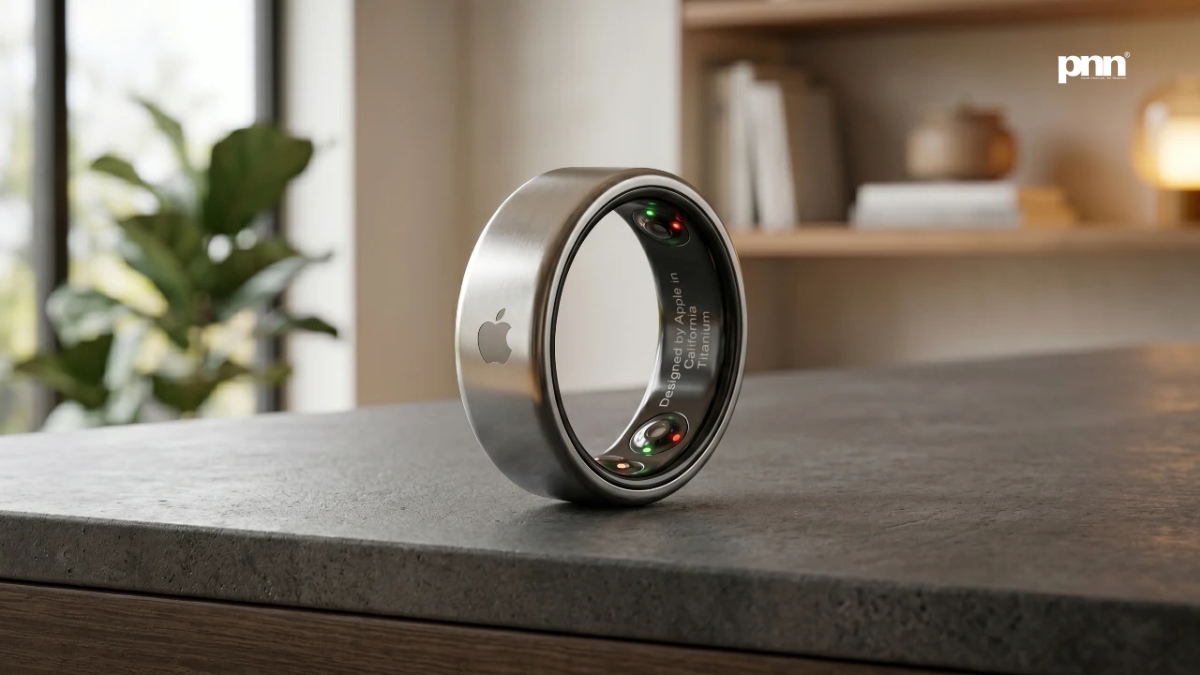
New Delhi [India], July 10: Wearable tech is shifting fast, and this time, it’s all about your fingers. Health tracking rings—once just a quirky side note—have stepped out from fitness watches’ shadow and grabbed the main stage. Now, halfway through 2026, it’s clear: you no longer need a big screen strapped to your wrist to keep tabs on your health. These rings are comfy, good-looking, and—honestly—way more powerful than they appear.
Why Rings Have the Edge?
Not long ago, strapping on a smartwatch was the peak of fitness fashion. Now? Trends are changing. Smart rings have what watches lack: you can wear them around the clock, forget they’re even there, and you won’t get distracted by endless notifications or deal with that damp wrist feeling.
Watches and fitness bands always seem to get in the way—take sleep, for example. A ring just sits there, barely noticeable. People wear them for weeks straight, and battery life rarely disappoints. Try that with a smartwatch and see how far you get.
Here’s where rings stand out:
- They look like real jewelry—no bright screens or plastic bands.
- The battery lasts anywhere from 7 to 14 days.
- Sleep tracking is on another level, all thanks to the finger’s unique blood flow—which means no confusing data from your wrist moving around all night.
- Passive health monitoring keeps you informed about recovery, heart rate variability, stress, and even blood oxygen, all without you having to check anything constantly.
Sure, watches still win when you want GPS for a run or those quick notifications. But if you want non-stop health data and less distraction, rings are taking over.
Smart Rings Shaping 2026
The ring market has exploded lately. Here’s a quick look at what’s hot right now:
- Oura Ring (Gen 4/5): Oura started it all, and they still do sleep tracking and readiness scores best. Plus, women’s health features like cycle tracking are really strong. You have to pay a subscription if you want everything, but it looks great and feels premium.
- RingConn Gen 2/3 and Ultrahuman Ring AIR: Both skip the subscriptions and still deliver impressive tracking. Fans highlight their value and the fact that they’re open to various apps and devices.
- Samsung Galaxy Ring: Designed for Android fans and fits right in with Samsung’s other devices. Heart health, fitness, and a minimal look—it checks plenty of boxes.
- There’s more, too—Circular Ring 2, rings with blood pressure monitoring, and other up-and-coming models are jumping in, bringing medical-grade features.
The tech hiding inside these rings is impressive—light sensors to track your heart, tiny accelerometers for movement, temperature monitors—all working together to give you data that’s genuinely useful, not just numbers for show.
What’s Really Going On Inside These Rings
It’s easy to assume these are just fancy accessories, but there’s real science under the surface. The rings watch you sleep—tracking stages and quality, sometimes better than a wrist device. They look at how your body recovers and reacts to stress, monitoring heart rate variability and your nervous system around the clock. You get daily stats on steps, calories, even some auto-detection for workouts (though rings still can’t replace a watch for high-intensity runs).
SpO2 and skin temperature data can warn you about illness or give insight on your menstrual cycle. Newer models are starting to help you figure out your natural body clock.
Many of these smart rings also use AI. They’ll nudge you towards better habits—reminding you to wind down for bed or suggesting a day off training. People using them this year say they’re sleeping better and making smarter recovery choices.
Where Rings Still Struggle
No gadget is perfect. If you want real-time GPS or need to glance for messages all day, watches still do those things better. Sizing is a hassle—in fact, most brands send a sizing kit before you actually get your ring—and some folks just can’t wear a ring while lifting weights or during contact sports.
Even though you don’t have to charge often, you’ll still need to take the ring off every week or two. Data can get weird if the fit isn’t right or depending on your skin tone. And, let’s be honest—privacy matters. Health data is personal, so picking a company that keeps your info safe is important.
Should You Switch?
If you care most about comfort, subtlety, and tracking your whole life (not just workouts), a ring makes a lot of sense. They’re perfect for:
- Busy people who want health data but not constant buzzing.
- Anyone focused on quality sleep and recovery.
- Folks who came away from watches with wrist rashes—or just hate bulk.
- People who want their health gear to actually look good.
Hardcore fitness fans aren’t giving up their watches for workout tracking, but lots are starting to use both: a ring day and night, a watch for runs or rides.
Looking Ahead: Health Tech Gets Personal
Later this year and beyond, expect rings to get even better: smarter AI coaches, new medical sensors (like glucose tracking, if regulators give the green light), and lower prices. Some rings now even hint at mental health monitoring or deeper insights into things like stress.
So, this leap from wrist to finger isn’t just about smaller gadgets—it’s about making health tracking invisible, integrated, and more about you. In 2026, health rings don’t just replace watches for a few people; they redefine what wearable health means. Sometimes the best tech doesn’t shout about it. It just fits in—and that’s when you realize how much it’s helped. Whether you’re ready for an upgrade or eyeing wearables for the first time, this year’s a good time to slip on something smarter.